I debuted a new T-TRAK module at this year’s Altoona N Scale Weekend. Here’s a little bit about it.
A few months ago I realized I really wanted more mainline run on my home layout. My existing plan utilized a “no-lix” to bridge the gap between two levels but I thought there had to be a way to get in more railroading.
My initial thought was a third deck but that would require adding a helix in layout room. Helixes are very useful but they add a whole lot of “not visually rewarding” run time. My solution to this is to build a bigger helix that can be sceniced. That’s a whole can of worms I’m not going to get into in this post, but the upshot is that I wanted to build a proof of concept to see if the type of scene and construction the approach would require could work. I thought about building a standalone thing but realized that’s not nearly as fun as being able to show off, so… I decided to make a T-TRAK module.
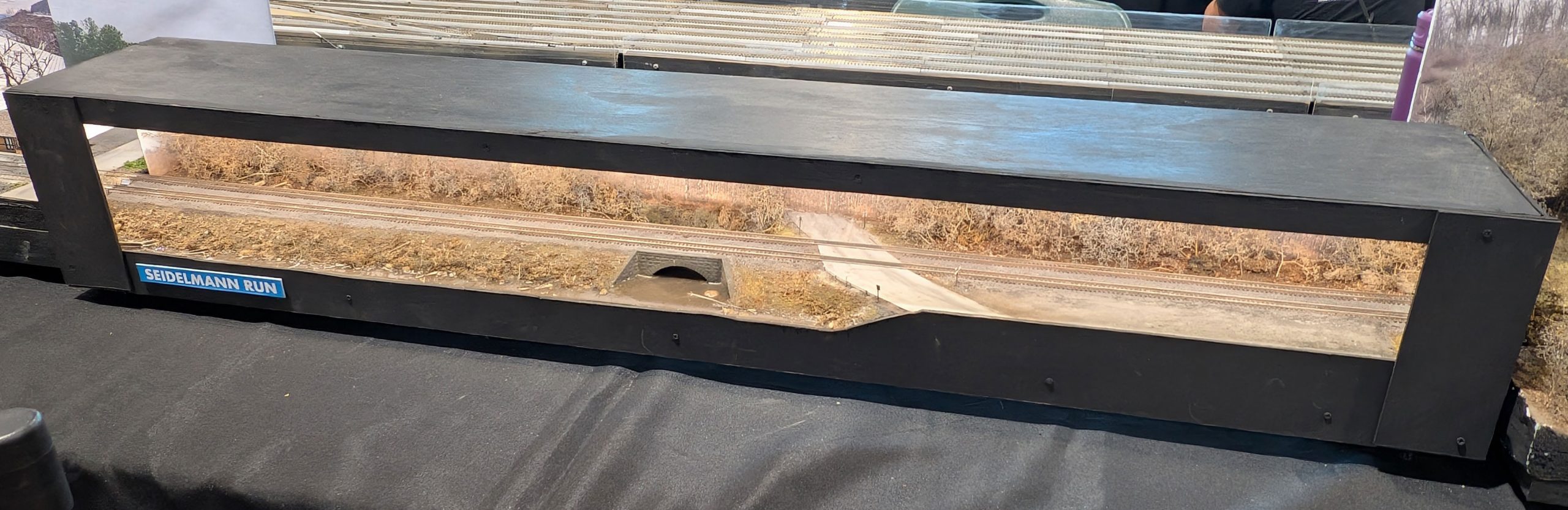
I had thought about building a Northern Central scene that likely won’t make the layout (like Monkton), but ultimately realized this was the chance to model a stretch of railroad that is fascinating and seldom represented: the Port Road.
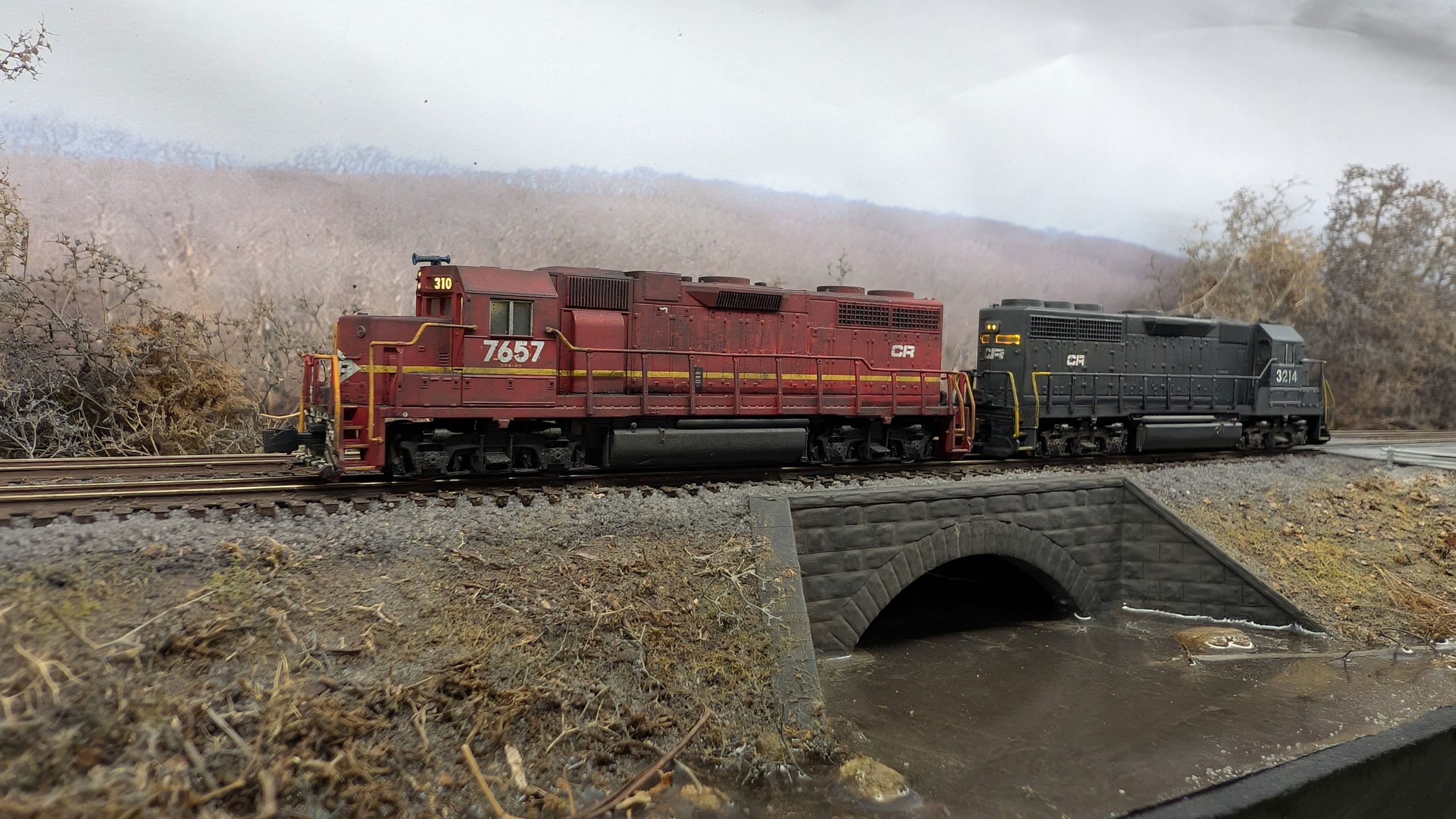
As I worked on the scene I decided to freelance a scene that was reminiscent of the line but doesn’t actually exist. I wanted a spot where a creek emptied into the Susquehanna river with a road and some “nothing”. This was also the point when I realized it would be an excellent time to memorialize my friend and recently passed Conrail modeler Erik Seidelmann. Erik was a huge Conrail fan who also was a driving force behind a lot of fun modular model railroading who will be missed my many in the area. Erik also had a last name that was perfect for the name of a stream in Lancaster County. That was how Seidelmann Run was born.
I plan on doing a deeper dive into construction of the module in the future but wanted to share the basics of it here now that I’ve had a chance to show it off.
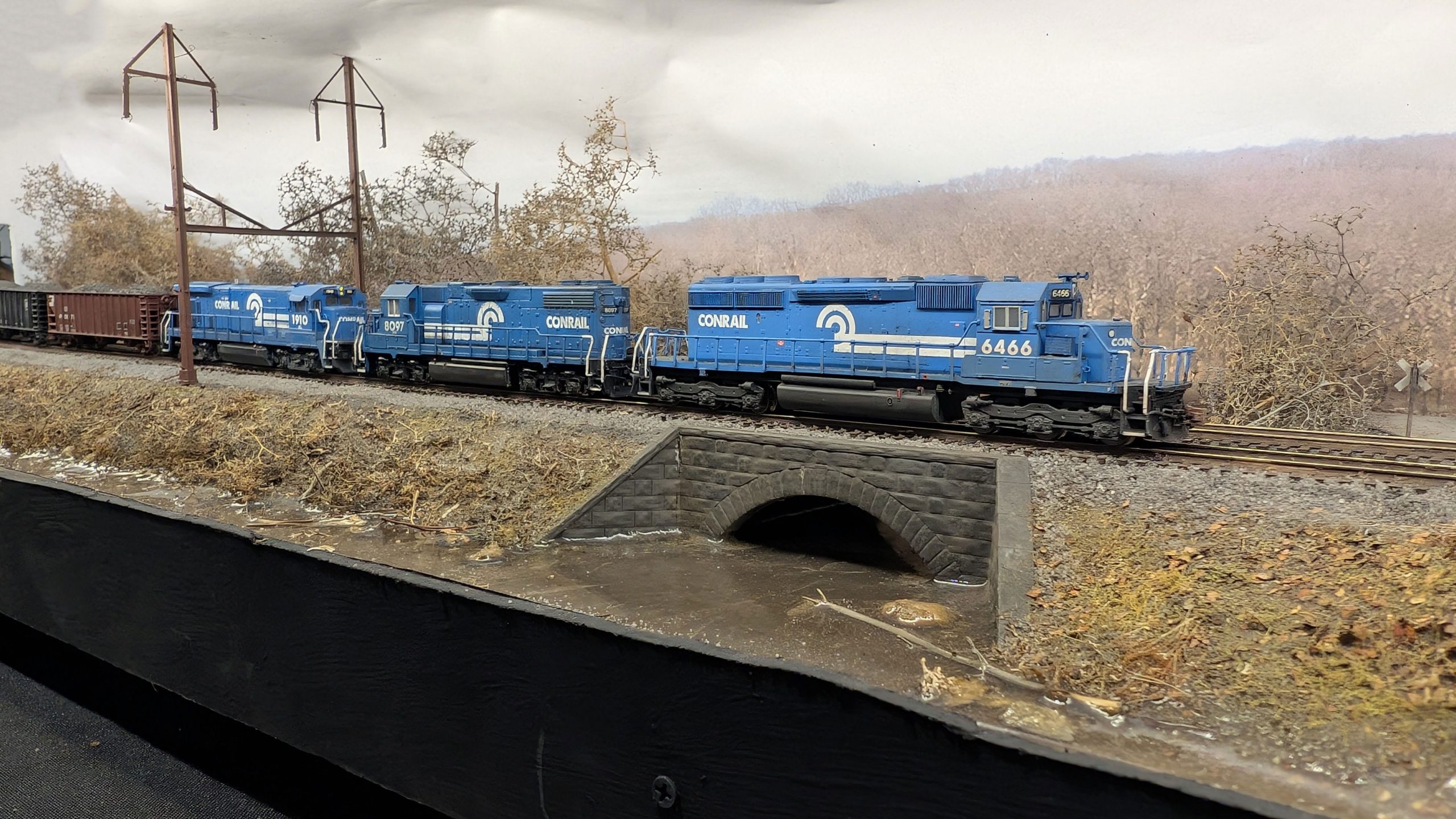
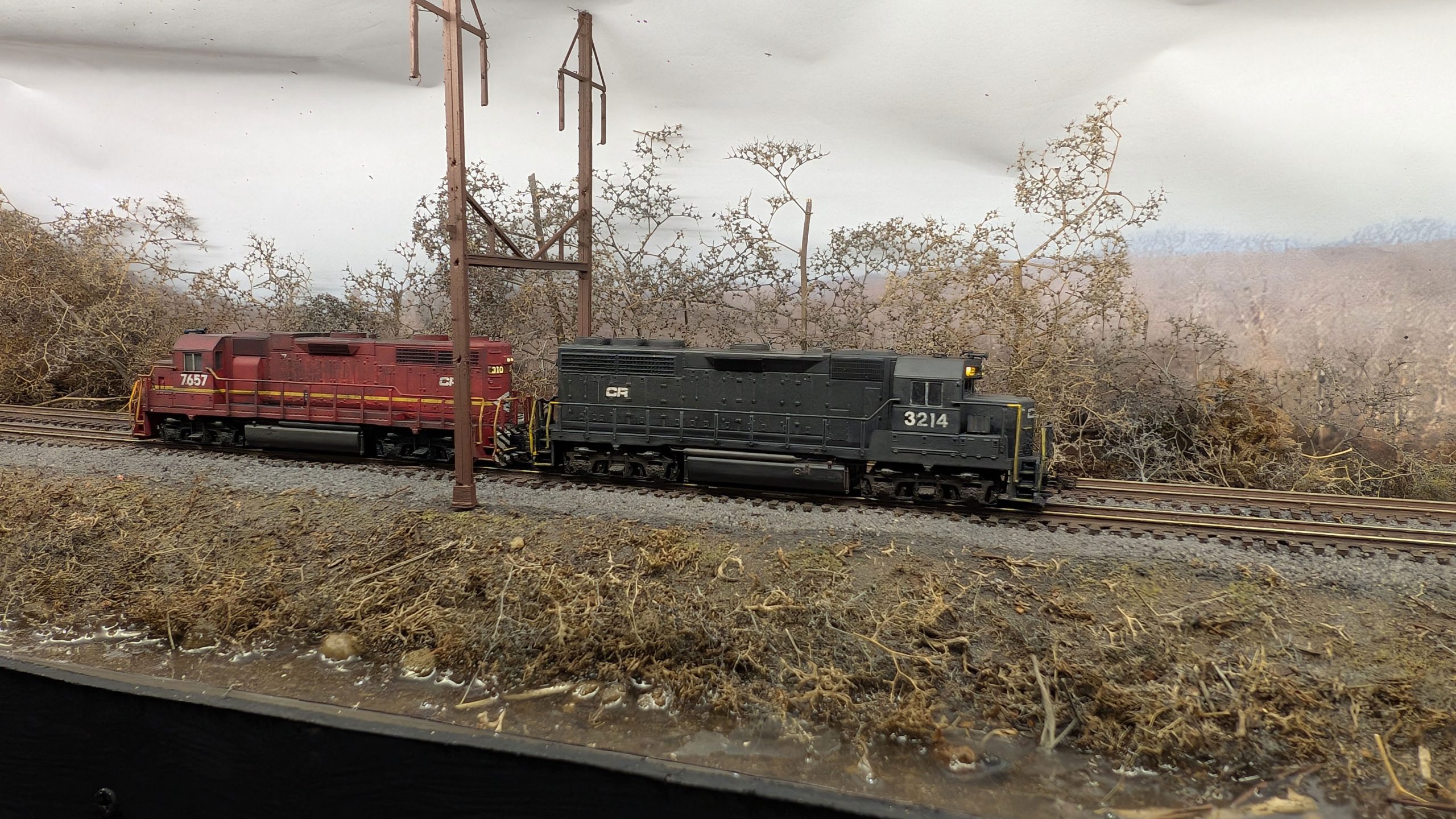
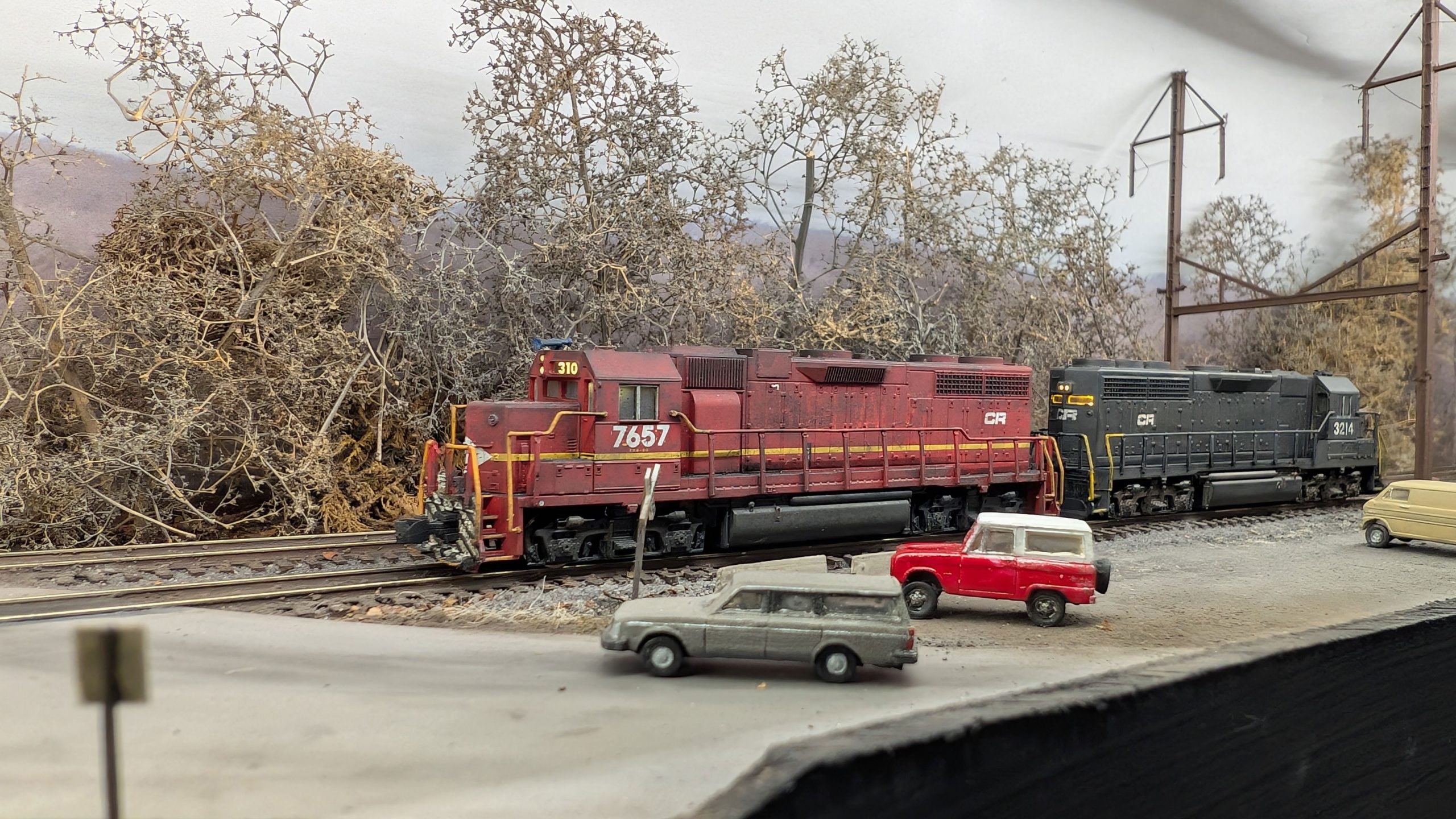
The module itself is 4′ long (a T-TRAK quad) and measures about 8″ deep and 10″ tall. It is enclosed in a shadow box on three sides to mimic the future construction of the “Box-Lix” and lit with USB powered 4000K LED strip lights from Amazon. It uses Micro-Engineering Code 7o track and my “Hacked Unitrack” ends to make it a working T-TRAK module. The bridge is a PRR Culvert from Keystone Details and the cat poles are 3D printed by my friend (and fellow dead season modeler) Al Etzel.
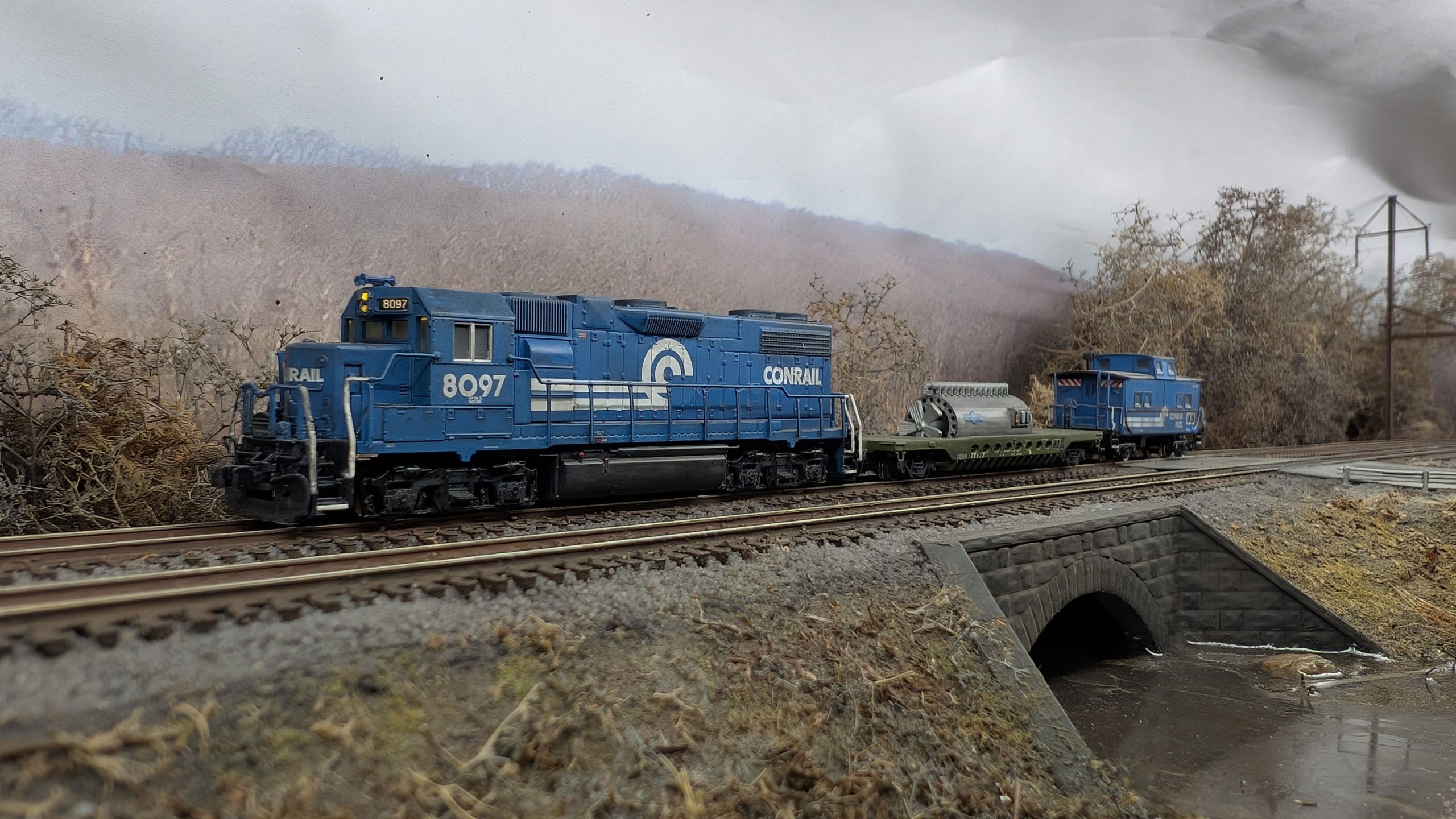
I’m thrilled with the way the module has turned out. It ends up being a great spot for photography and videos. Here are a few examples:
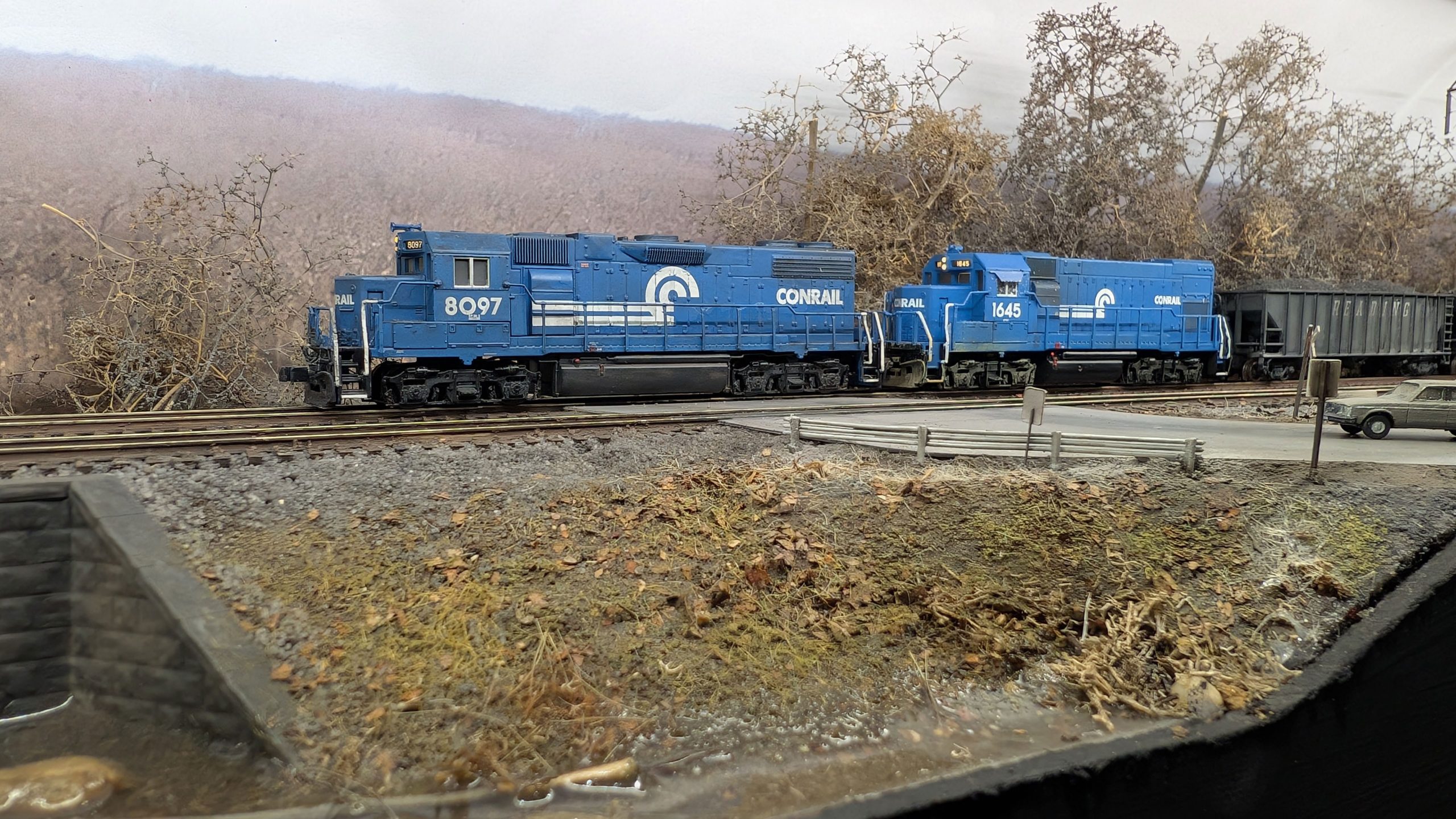
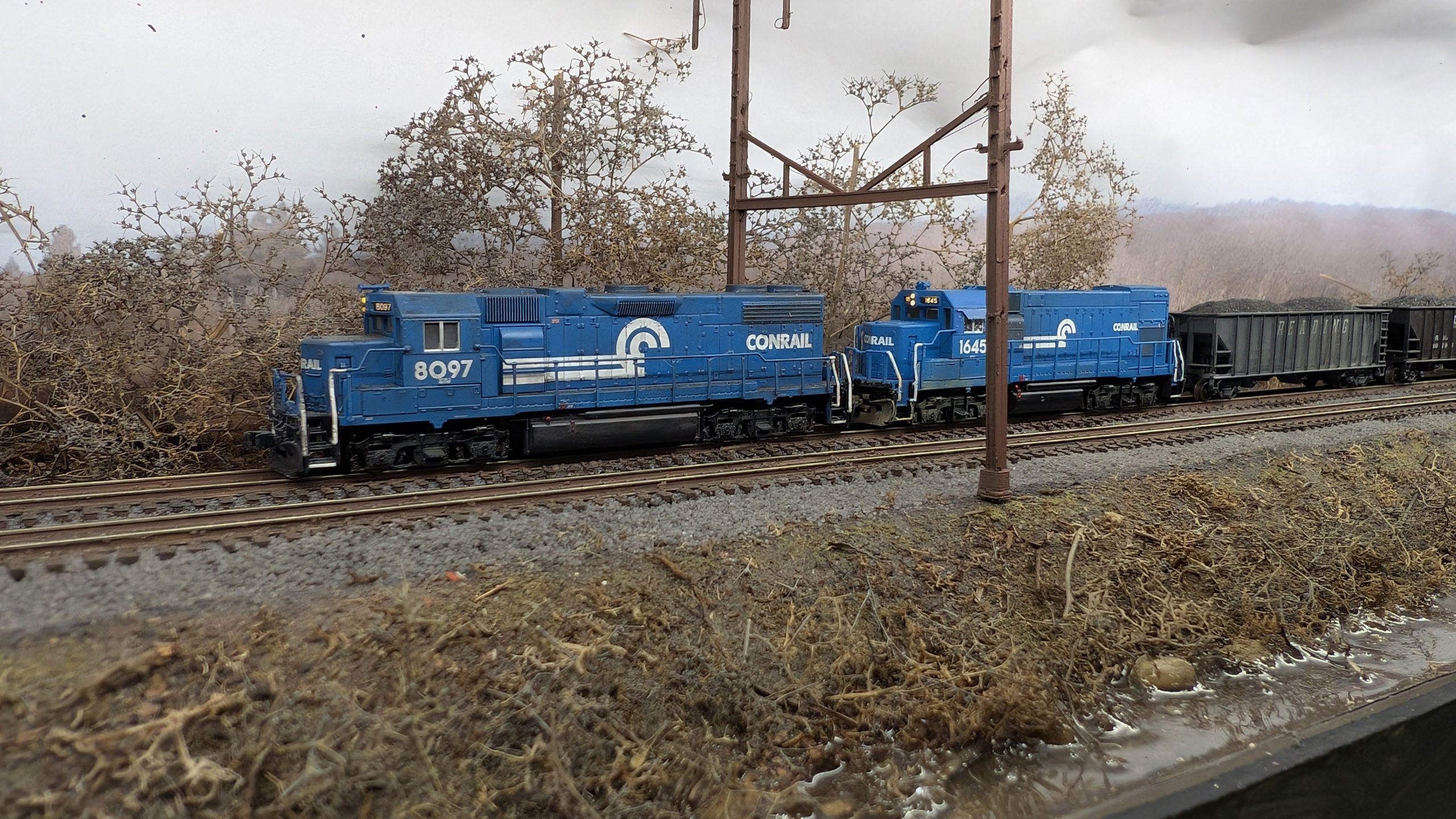
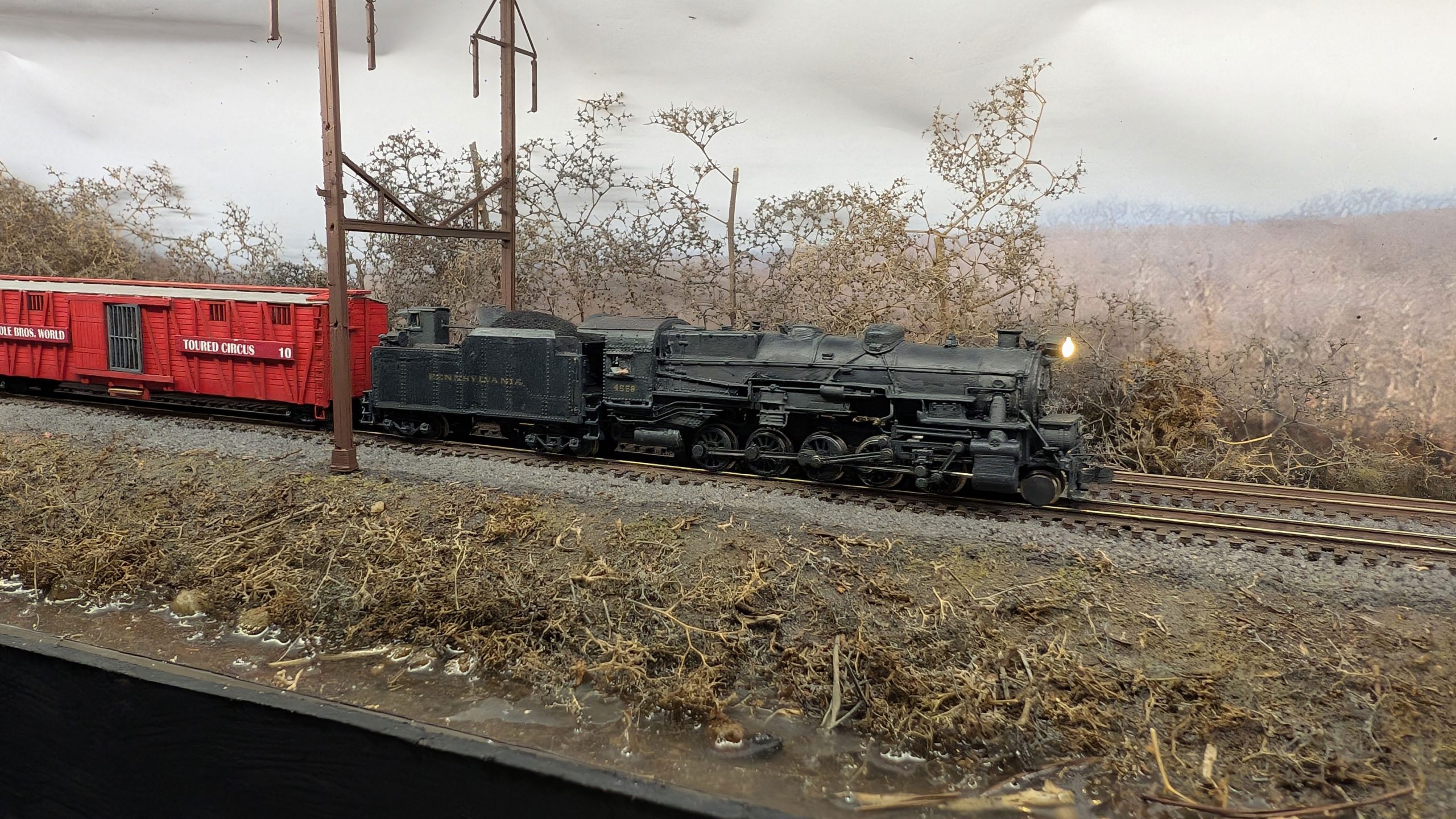
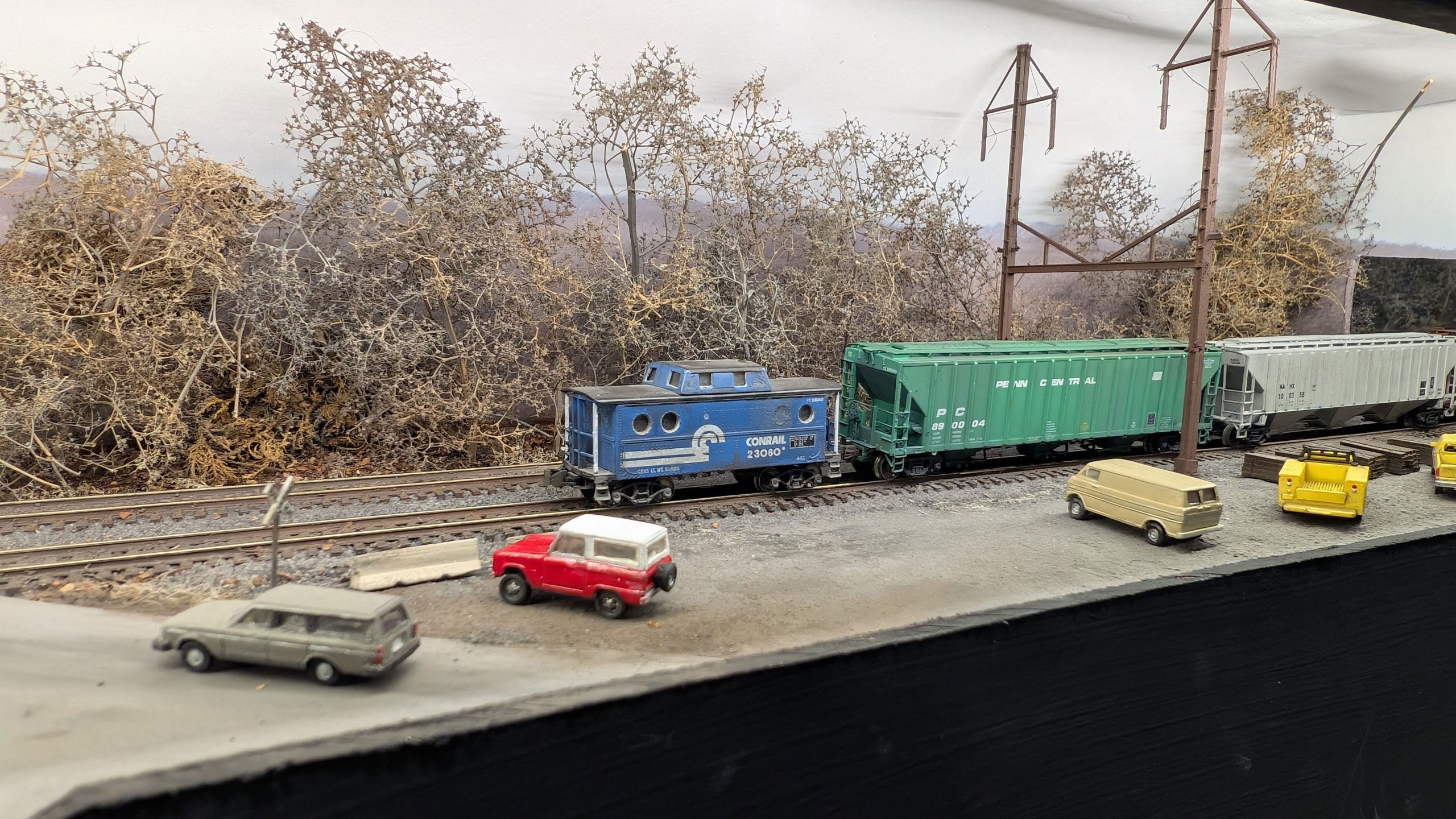
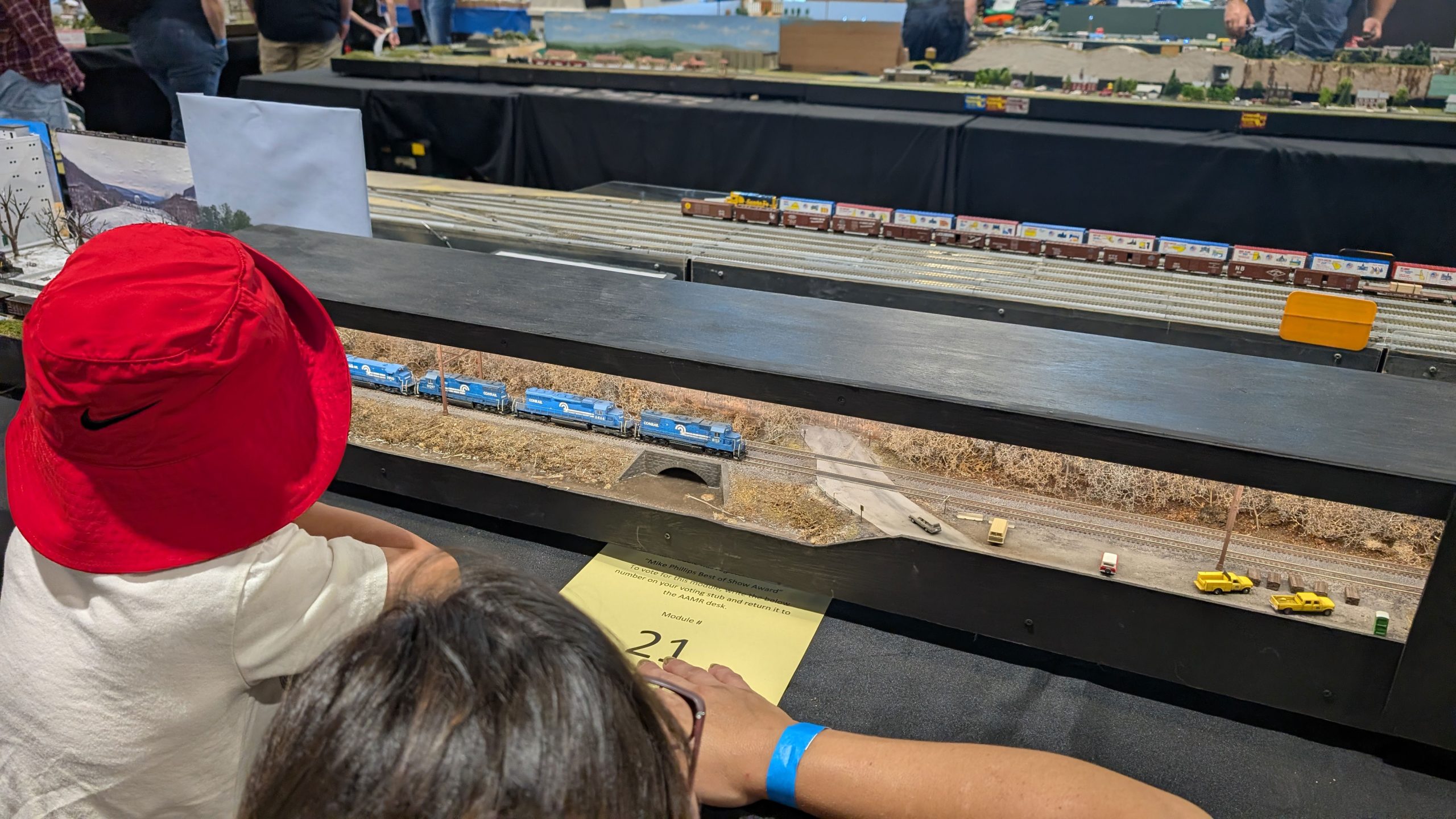
And in no help to my ego, it had a steady stream of people being willing to bend down and enjoy the eye level view at its first show. Some folks are lucky enough to not have to do the bending. I’m hoping this young man was just inspired to try his hand at dead season modeling.